
Columns
- The Board’s Strategic Role in Operationalizing Innovation
- When AI Algorithms Control Earnings Reactions
-
Point/Counterpoint: To Go Public or to Stay Private?
- Why Mergers Fail When Strategy Is 'Right'
- Transforming Governance into a Growth Strategy
- How the Board Can Get the COO Position Right
- Beyond ROI: A Conversation with Purvee Kondal
- Onboarding
Director Advisory
- Human Capital Governance and the Compensation Committee’s Remit
- Strengthening Board Engagement as Volatility Tests Strategy
- Four Overlooked AI Signals Every Director Should Watch
- A Mid-Cycle Guide for Compensation Committees
- How Boards Influence Successful Carve-Outs
- The Hidden Costs of CEO Succession
- Governing the Convergence of AI and Cyber Risk
Vector Tradition/stock.adobe.com
Directorship Magazine
Point/Counterpoint: To Go Public or to Stay Private?
Key Points
- The long-term decline in the number of US public companies is reshaping capital markets and forcing boards to reckon with the strategic implications of their businesses' market status.
- Private companies benefit from governance flexibility, reduced regulatory demands, and the freedom to make long-term decisions without the pressure of quarterly investor scrutiny.
- For companies with the discipline to predict their own performance, going public offers advantages in capital access, talent acquisition, liquidity, and brand credibility that compound over time.
This AI-generated summary, based on content on this page, was reviewed by NACD editors for accuracy.
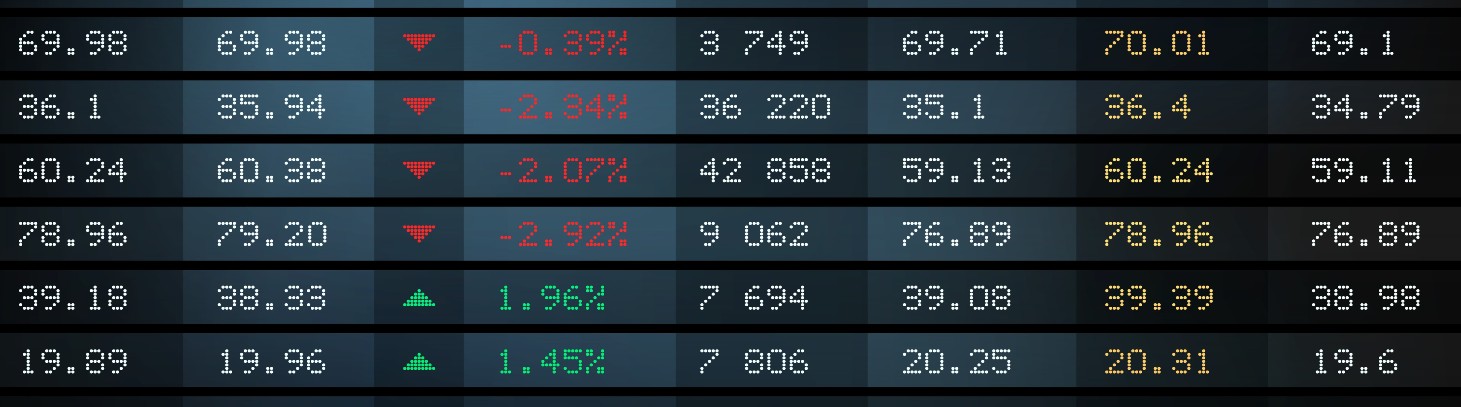
The number of US public companies has declined dramatically over the last three decades and take-private deals have become increasingly popular. In 2026, however, the market for initial public offerings has boomed. Regulatory reform, market consolidation, and the expanding reach of private equity have all contributed to a reconfigured capital landscape—one with profound implications for how companies grow, how investors deploy capital, and how directors build their careers.
This article presents two perspectives on whether companies are better served by going or staying public, or embracing private ownership instead. These arguments can inform how directors think about strategy and their own futures on boards.
Thank you for your interest in this page.
Member-Only Content
For full access, please log in, or explore membership options.

Alexandra R. Lajoux is chief knowledge officer emeritus of NACD.

Phyllis Campbell has been a board member of publicly traded and privately held companies for the last 35 years. In her consulting practice, she works with privately held enterprises on governance matters.

Jack Lazar is a board member, advisor, and former public and private company chief financial officer. Lazar is the 2025 NACD Directorship 100™ Private Company Director of the Year.
Explore All Directorship Issues